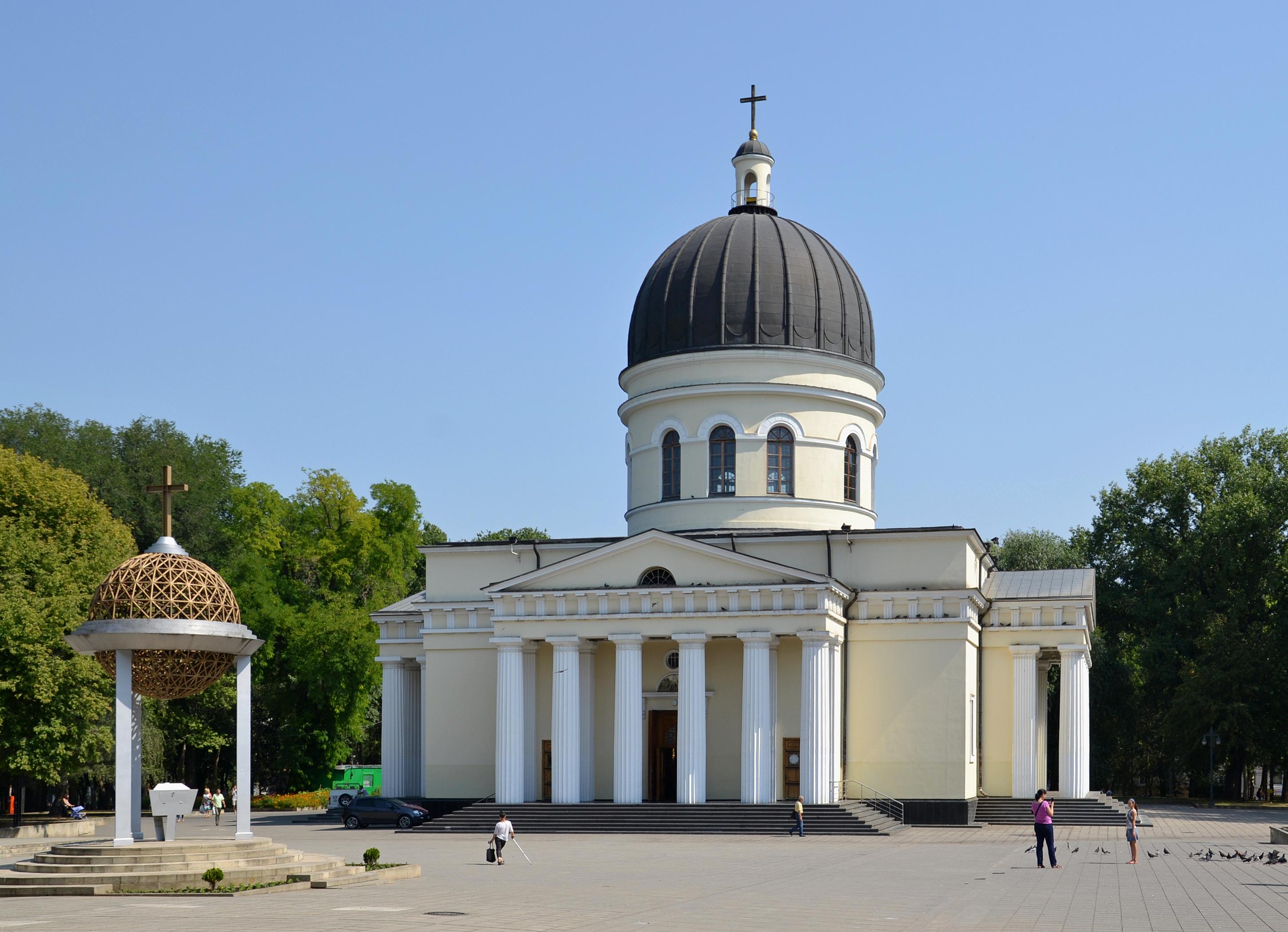
Chișinău
The capital — leafy boulevards, parks, museums and lively city squares.
A land where ancient history, rolling vineyards and timeless traditions meet. Discover the quiet beauty and rich heritage of a remarkable European country.
Explore the country →Located between Romania and Ukraine, Moldova is a country shaped by centuries of cultural exchange. Its landscapes are dotted with vineyards, monasteries, historic towns and welcoming villages.
From the lively streets of Chișinău to the peaceful valleys of the countryside, Moldova offers a fascinating journey through history, nature and everyday life.
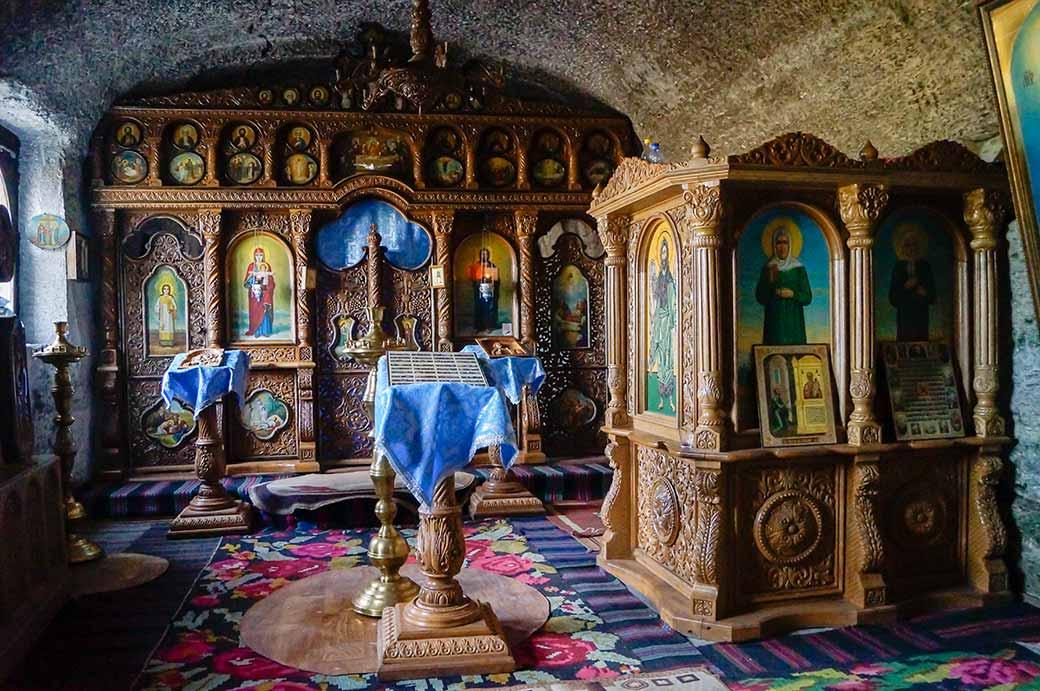
Centuries of history have left their mark on architecture, traditions and the cultural identity of the country.
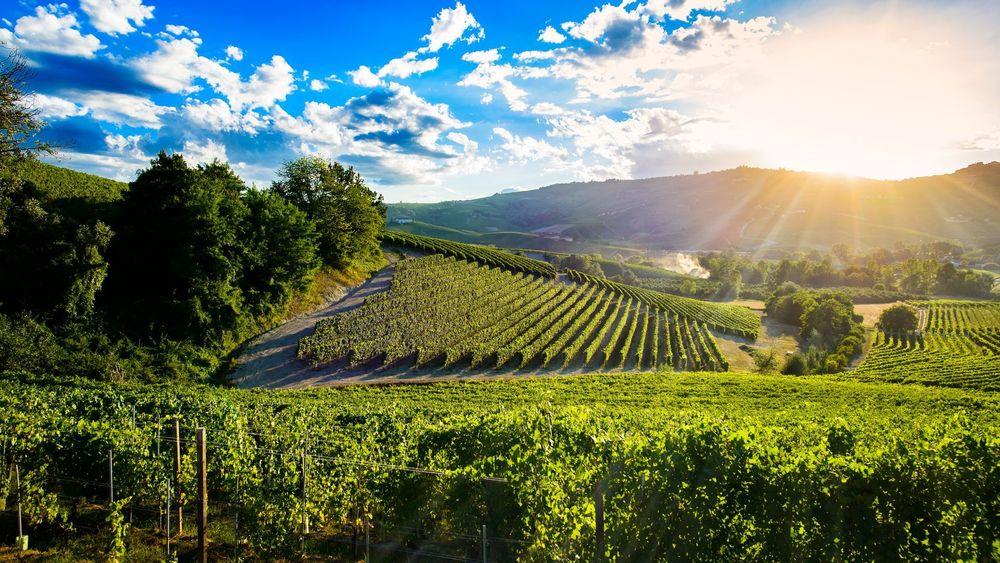
Gentle hills, rivers, forests and vineyards create the distinctive scenery of the Moldovan countryside.
Folk music, crafts, seasonal celebrations and local cuisine remain an important part of community life.
The territory of present-day Moldova has been home to ancient communities and has stood at the crossroads of major European historical events.
One of the remarkable prehistoric cultures of Europe, known for its settlements and beautifully decorated pottery.
A medieval principality emerged in the region, developing its own political institutions and cultural traditions.
The reign of Stephen III became an important period in Moldavian history, remembered for diplomacy, military campaigns and church foundations.
The eastern part of the Principality of Moldavia, between the Prut and Dniester rivers, was annexed by the Russian Empire.
Bessarabia voted for union with the Kingdom of Romania during a period of major political change in Europe.
The Moldavian Soviet Socialist Republic was established in 1940. The region experienced profound political, economic and social transformations.
The Republic of Moldova declared independence following the dissolution of the Soviet Union.
From historic cities to archaeological sites and peaceful natural reserves, Moldova has many places worth discovering.
The capital — leafy boulevards, parks, museums and lively city squares.
An extraordinary archaeological and cultural landscape above the Răut River valley.
A historic stone fortress overlooking the Dniester River, built in the 15th century.
Woodlands and diverse wildlife in one of Moldova's oldest protected natural areas.
Moldovan culture reflects a long history of connections between neighbouring regions. Its traditions are expressed through music, crafts, food and celebrations.
Traditional folk music, lively dances and instruments such as the nai flute are part of the country's cultural heritage.
Mămăligă, placinte, seasonal vegetables and family recipes are central to the Moldovan table and its traditions of hospitality.
Viticulture has shaped the landscape and local culture for centuries. Moldova is home to extensive underground wine cellars.
Some essential facts about the country.